

CM Conrad Sangma Connects with Smit at Grassroots Level; Targets 3,000 Homestays to Boost Meghalaya’s Tourism Economy
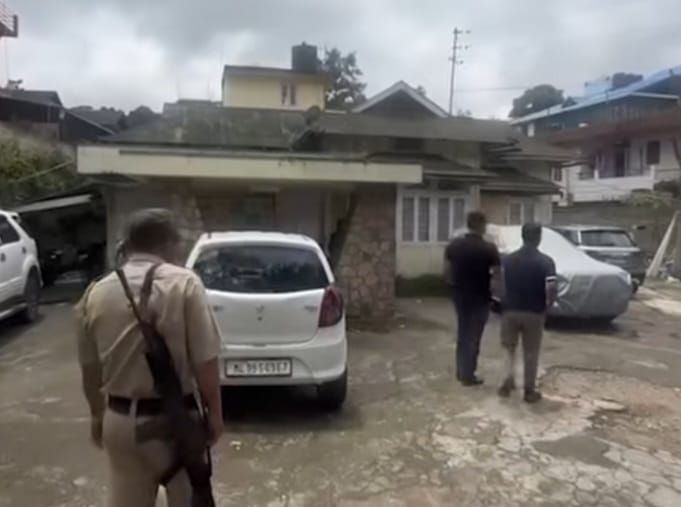
SHILLONG: In a major push to deepen tourism-led livelihoods and enhance community-driven growth across the state, Chief Minister Conrad K. Sangma went live on his official Facebook page from Smit, one of Meghalaya’s most picturesque and culturally significant heritage villages.
The live digital outreach, part of the government’s CM Connect initiative, offered a firsthand look into Meghalaya’s broader strategy of linking tourism, youth entrepreneurship, skills development, and transparent governance.
Grassroots Engagement and Real-Time Feedback
During his visit, Chief Minister Sangma walked through the local village market, spending time interacting directly with residents, visiting tourists, and local entrepreneurs. Over tea and local delicacies at a roadside stall, he encouraged travellers to dive deep into Meghalaya’s natural beauty and legendary hospitality.
The Chief Minister also visited a local homestay, engaging in a candid conversation with the host family regarding their operational challenges and future aspirations. The owner expressed gratitude for the financial assistance received through government schemes, noting that the funds enabled them to successfully establish and expand their business.
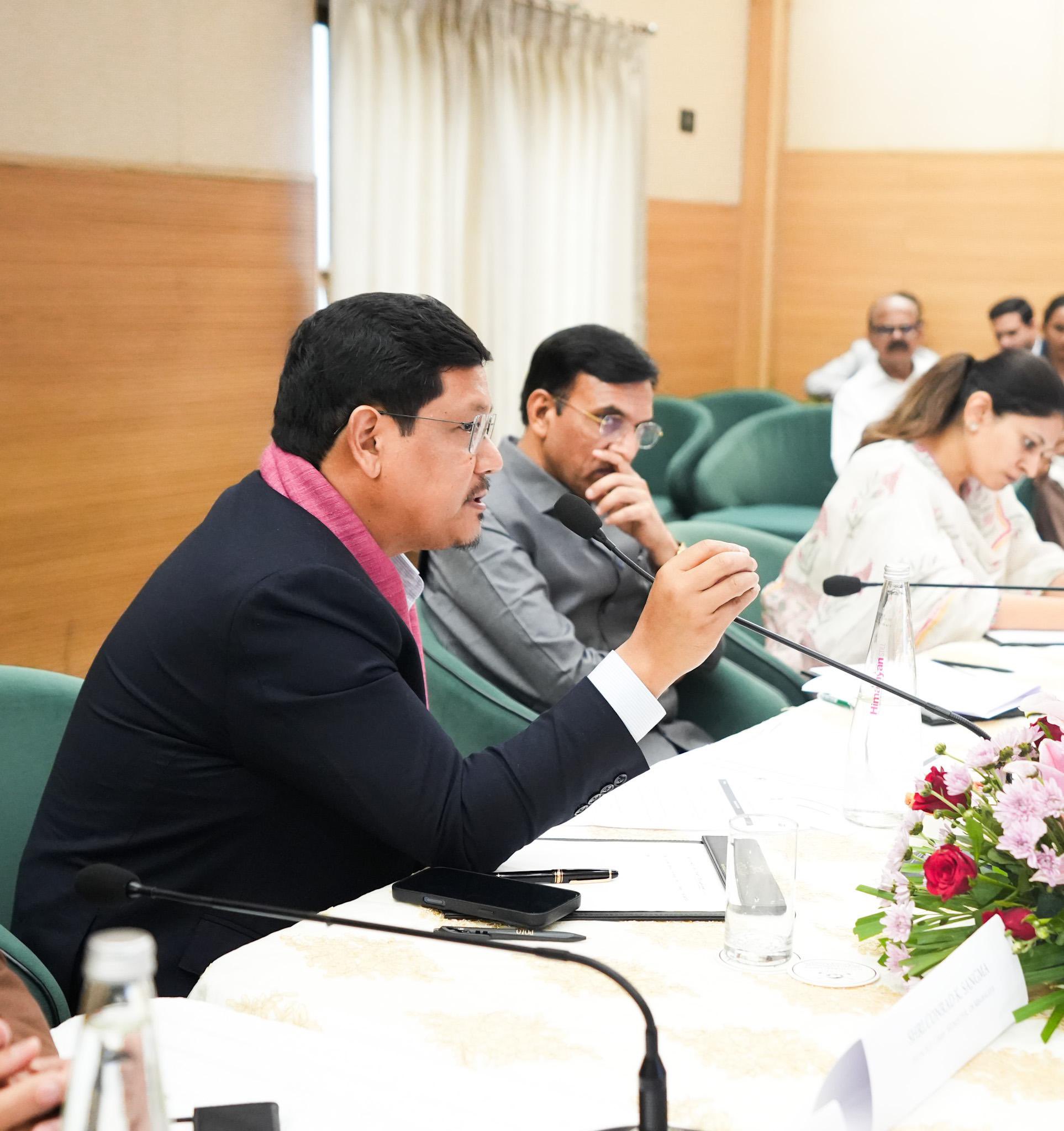
“There is a need to connect with people at the grassroots level,” Chief Minister Sangma stated during his broadcast. “A public representative cannot truly understand the lives and concerns of the people without staying close to the community.”
While discussing enterprise growth, residents also brought up practical local issues, including street lighting, littering, and garbage collection. The Chief Minister assured the community that the relevant departments would be immediately apprised to resolve these grievances.
The 3,000 Homestay Road Map
Tourism remained the anchor theme of the interaction. Sangma revealed that Meghalaya currently has nearly 900 operational homestays, with another 2,100 slated to be sanctioned in the near future. The state government is actively working to establish a massive network of approximately 3,000 homestays within the next 12 to 18 months.
“Homestays are a very important and critical part of our tourism sector,” Sangma emphasized. “Through homestays, we ensure that the benefits of tourism directly reach local families and communities.”
Empowering Youth and Hospitality Capabilities
The conversation highlighted the government’s extensive focus on skills and employment generation. The Skills Meghalaya programme has already trained nearly 30,000 youth, including 2,000 specifically within the tourism and hospitality sectors. The ultimate target is to upskill 1.2 lakh youth, with 5,000 dedicated to tourism-specific capabilities.
Furthermore, the state continues to cultivate transport-linked livelihoods and professional growth through targeted programs:
- PRIME and CM Elevate Schemes: Around 200 tourist vehicles have been financed to help local youth run their own transit enterprises.
- Professional Education: 52 hospitality students have received financial backing to pursue professional education at prestigious institutions like the IIHM.
National Games as an Economic Driver
The grassroots interaction occurred on the heels of a historic milestone: Meghalaya formally signing the Host State Agreement with the Indian Olympic Association to host the 39th National Games.
The Chief Minister highlighted that the prestigious sports event will serve as a massive economic booster rather than just an athletic tournament. Crucially, a significant portion of the accommodation requirements for the incoming athletes and visitors will be met directly through the state’s expanding homestay network.
“The National Games create opportunities for tourism, culture, hospitality, and economic growth,” Sangma said. “Sports can become a major source of livelihood and a vibrant economic sector for our youth, ensuring local communities remain the primary beneficiaries of this growth.”